
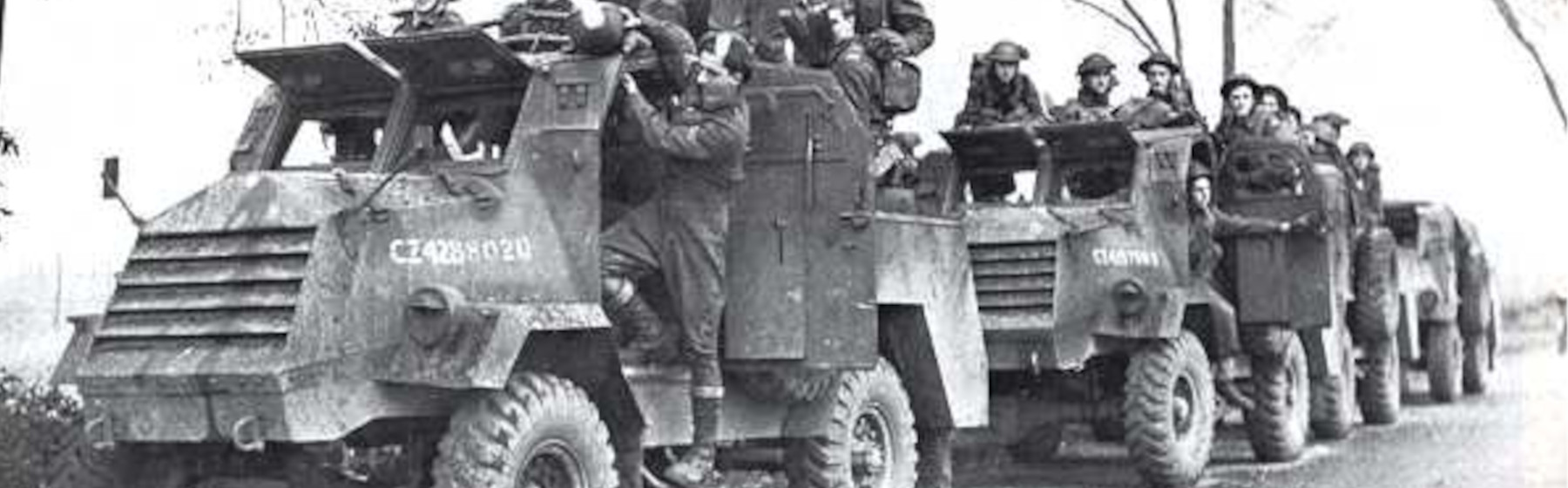
Charlie Fosseneuve: Métis Hunter, Trapper, Patrior, Soldier
On June 6, 1944, Charles "Charlie" Fosseneuve stormed Juno Beach as part of the Allied assault on Normandy. It was D-Day, and while the world remembers the larger events of Operation Overlord, the story of Fosseneuve—a Métis veteran from Cumberland House, Saskatchewan—speaks to the courage, skill, and resilience of Indigenous soldiers who contributed significantly to Canada’s war efforts.
A Life Shaped by Hardship and Determination
Born on June 6, 1917, in Cumberland House, Charlie was raised by his mother, Katherine Cook, after losing his father to influenza when he was only two years old. Katherine, a hardworking trapper and fisher, instilled in her children the value of perseverance and self-reliance. Charlie learned to hunt, fish, and navigate the wilderness from an early age—skills that would later make him a formidable soldier. His mother’s parting words, “Don’t forget your moccasins,” stayed with him as he went to war, a simple yet poignant reminder of his Métis heritage.
Answering the Call to Serve
During World War II, the Canadian military recognized the unique skills of Métis and Indigenous recruits, especially their proficiency with firearms and navigation. Charlie joined the 13th Field Regiment, 3rd Division, alongside his two brothers and many others from Cumberland House. While other Canadian veterans were often recognized and celebrated, Métis recruits like Charlie were forced to enlist as “Canadian” or “French” citizens, their Métis identity unacknowledged.
Charlie’s wartime role showcased his expertise. He was a gunner, a sniper, and a soldier whose sharp instincts and precision saved lives. His ability to silently navigate enemy lines during nighttime reconnaissance missions—often wearing his moccasins for stealth—earned him respect among his comrades. “When I shoot, I don’t miss,” he said, a testament to the hunting skills honed during his youth in Saskatchewan’s wilderness.
D-Day and Beyond
Charlie landed on Juno Beach on his 27th birthday, under heavy fire from German forces. The scene was chaotic, with waves of soldiers rushing ashore amid deafening explosions. Charlie and his comrades advanced inland, pushing back German forces and eventually reaching Belgium and Holland. His regiment played a critical role in the liberation of these areas, and Charlie fondly recalled the gratitude of locals who welcomed Canadian soldiers into their homes, offering food and washing their uniforms.
Not all memories of the war were celebratory. Charlie witnessed the horrors of combat, including the loss of his fellow soldiers. One particularly harrowing experience was being bombed by friendly fire near Caen, an incident that injured his brother and left Charlie reflecting on the unpredictability of war.
Forgotten Sacrifices
When Charlie returned to Canada in 1946, he faced a stark reality. Unlike non-Indigenous veterans, Métis soldiers were often excluded from post-war benefits such as land grants, education, and medical assistance. Charlie received no hero’s welcome and had to hitchhike back to Cumberland House. He relied on trapping and hunting to support his family before eventually finding work as a special constable with the Royal Canadian Mounted Police, a role he held for 25 years.
The systemic neglect of Métis veterans is a dark chapter in Canadian history. Charlie’s attempts to access veterans’ benefits were met with indifference, the government citing his remote location as a barrier to assistance. It wasn’t until decades later, in his 80s, that he received a veteran’s health card. Even then, Charlie’s voice shook with frustration at the injustices faced by Métis veterans.
A Legacy of Resilience
Despite these challenges, Charlie remained proud of his service and his heritage. In 2003, he returned to Normandy for the 59th anniversary of D-Day, where he met then-Prime Minister Jean Chrétien. During their exchange, Charlie boldly reminded Chrétien of the contributions of Métis soldiers, saying, “I’m the one that landed on June 6. That’s why you see me here.”
Charlie Fosseneuve’s story is one of resilience and patriotism. It highlights the vital role Métis veterans played in shaping history, even as they were marginalized at home. His life—from a skilled hunter in Cumberland House to a soldier on the front lines of Europe—is a testament to the strength and perseverance of the Métis people.
Today, as Canada grapples with the legacy of its treatment of Indigenous peoples, stories like Charlie’s serve as both an inspiration and a call to action. Recognizing and honoring the sacrifices of Métis veterans is not just an act of justice but a necessary step in fostering reconciliation and understanding.
Charlie Fosseneuve passed away in 2004, but his legacy endures as a reminder of the courage and contributions of Métis veterans who fought for freedom, even when their own rights were denied.