
Joseph Gagnon Narrative
Joseph Willmer Gagnon: A Métis Veteran's Legacy of Service
Joseph Willmer Gagnon, born on April 7, 1925, was a Métis Canadian whose life exemplified service, resilience, and dedication to his country. Enlisting in the Canadian Army at the young age of 16, Gagnon played a significant role in World War II, contributing to Canada’s military efforts and leaving a legacy that resonates within the Métis Nation and beyond.
Early Life and Military Service
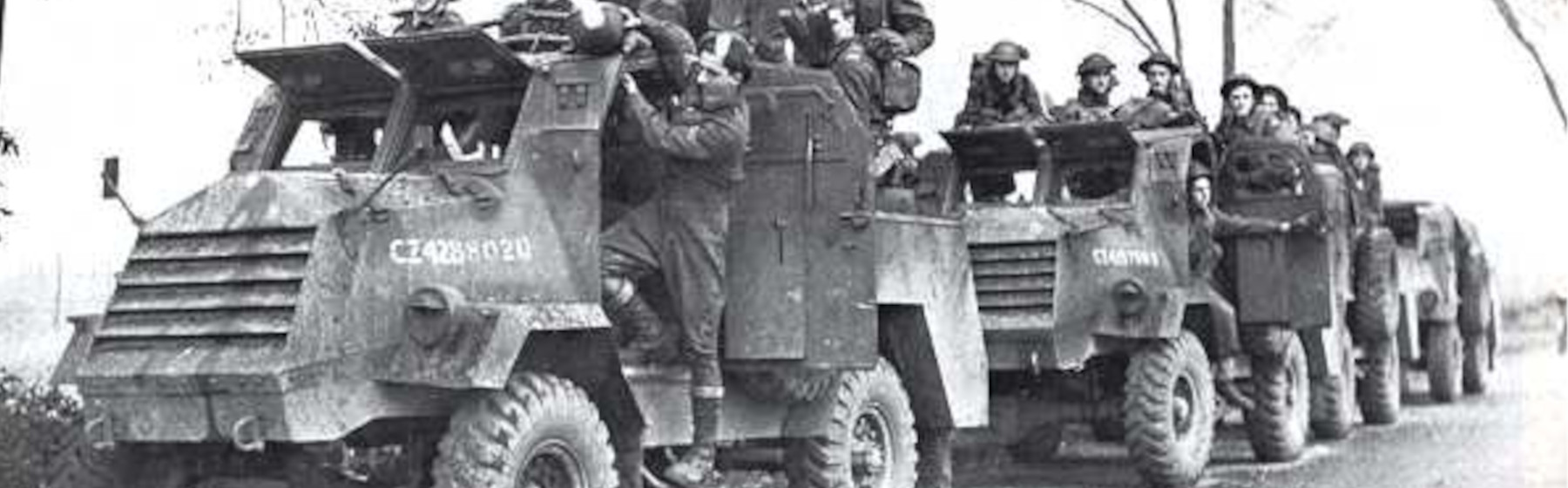
Gagnon’s journey to military service began with an act of determination. Underage but eager to serve, he enlisted on April 26, 1941, by overstating his age. Assigned to the Canadian Forestry Corps, Gagnon worked as a truck driver, transporting essential materials such as timber and lumber to the front lines. These supplies were critical for constructing airfields, barracks, and fortifications, demonstrating the importance of logistical support to the Allied war effort.
Gagnon’s service primarily took place in Holland, a country deeply impacted by the war. His work as part of the Canadian Forestry Corps ensured that troops had the resources needed to sustain their operations in Europe, contributing to the broader Allied victory.
Love and War: A Personal Milestone
While stationed overseas, Gagnon met and married Doreen Davies in 1942. Their union was a poignant reminder of the personal lives intertwined with the global conflict. Gagnon and Davies’s wedding marked a unique milestone, as Gagnon became the first Canadian soldier to marry in Stockton, England. Following the war, Doreen traveled to Canada aboard the Queen Mary in 1946 to join her husband, beginning a new chapter in their lives together.
A Family Tradition of Service
Joseph Gagnon’s commitment to military service was part of a family legacy. His father, Henry Holenger Gagnon, served in World War I, fighting in pivotal battles such as Vimy Ridge and Passchendaele. This tradition extended to future generations, with Joseph’s son, David, serving in the Navy during the Cold War, and his grandson participating in peacekeeping missions in Bosnia with the British Navy. The Gagnon family’s multi-generational dedication to service highlights the enduring contributions of Métis families to Canada’s military history.
Recognition and Honours
For his contributions during World War II, Joseph Gagnon was awarded several military medals, including the Defence Medal, the Canadian Volunteer Service Medal, and the War Medal 1939-1945. These accolades recognize the sacrifices and efforts of a young Métis soldier who stepped forward to support his country during a time of great need.
In later years, Gagnon’s service was further acknowledged through a special recognition payment from the Métis Veterans Recognition Payment Agreement, an initiative aimed at addressing the historical inequities faced by Métis veterans. On November 9, 2019, Gagnon was honored in a ceremony in Port Hope, Ontario, where he received a $20,000 recognition payment. This moment symbolized a long-overdue acknowledgment of the contributions and sacrifices made by Métis soldiers during World War II.
A Legacy of Remembrance
Joseph Gagnon’s story is one of courage, perseverance, and commitment to his Métis heritage. His service during World War II, his role in the Canadian Forestry Corps, and his personal milestones reflect the broader narrative of Métis involvement in Canada’s military history. Gagnon’s life also underscores the importance of recognizing and addressing the systemic challenges faced by Métis veterans upon their return home.
As part of the Métis Veterans Legacy Program, Gagnon’s contributions are celebrated and remembered, ensuring that future generations understand the vital role Métis soldiers played in defending freedom and shaping Canada’s history.
Through his service and the legacy he left behind, Joseph Willmer Gagnon exemplifies the resilience and strength of the Métis Nation. His story is a reminder of the sacrifices made by Indigenous veterans and the importance of honouring their memory with dignity and respect.