
Leo Goulet Narrative
Leo Goulet: A Quiet Hero of the Métis Nation
The story of Leo Goulet is a testament to the strength, sacrifice, and resilience of the Métis people who served in the Canadian military. As a soldier during World War II, Goulet’s journey from the Canadian prairies to the battlefields of Europe highlights the unique challenges and contributions of Métis veterans. Though his story is lesser-known, his service and legacy deserve recognition and remembrance.
Early Life and Métis Identity
Joseph Leo Goulet, known simply as Leo, was born in the early 20th century and grew up in a Métis community steeped in traditions of resilience and resourcefulness. Like many young men of his generation, Goulet lived a life connected to the land, learning to hunt, fish, and provide for his family. These skills would later prove invaluable during his military service.
Growing up, Goulet experienced the systemic discrimination faced by many Métis people. Despite these challenges, he carried the pride of his heritage and a strong sense of duty to his family and community. When Canada entered World War II, Goulet answered the call to serve, joining thousands of other Indigenous and Métis soldiers who enlisted in the Canadian Armed Forces.
Service During World War II
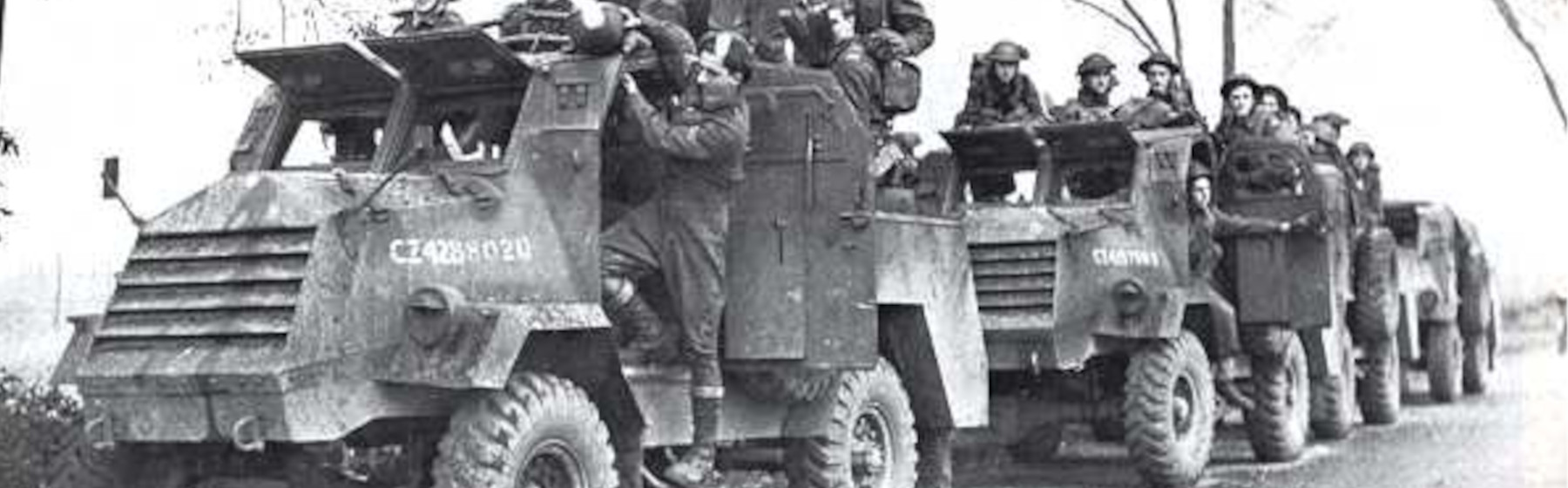
Leo Goulet served with the Royal Winnipeg Rifles, a regiment known for its valor and dedication. On June 6, 1944—D-Day—Goulet and his comrades landed on Juno Beach in Normandy, part of the Allied invasion to liberate Europe from Nazi control. The landing was fraught with danger, as German forces mounted fierce resistance. Soldiers faced relentless gunfire, exploding mines, and devastating artillery barrages.
For Goulet, the horrors of war became all too real within days of landing. His regiment encountered the elite SS troops, who had been redeployed from the Eastern Front to defend against the Allied advance. Despite their courage and determination, Goulet and many of his comrades were captured by enemy forces during these early battles.
A Prisoner of War
Captured by the Germans, Goulet became a prisoner of war (POW), enduring harsh conditions and the psychological toll of captivity. POWs faced starvation, physical abuse, and forced marches under grueling circumstances. Goulet’s strength, shaped by his upbringing and the lessons of his Métis heritage, helped him survive.
While in captivity, Goulet’s thoughts likely turned to his family and the community he had left behind. The Métis people’s resilience in the face of adversity was a source of strength for many soldiers like him. Goulet’s ability to endure the unimaginable hardships of captivity speaks to his courage and determination.
Returning Home: The Fight for Recognition
After the war, Goulet returned to Canada, but like many Métis veterans, he faced a new battle at home. Indigenous and Métis soldiers were often excluded from the benefits and support programs provided to other Canadian veterans. This systemic discrimination left many Métis veterans struggling to rebuild their lives, even as they carried the scars of war.
Despite these challenges, Goulet’s service was recognized as part of larger efforts to honor Métis veterans. In 2009, Goulet was among the Métis veterans who attended a Remembrance Day event at Juno Beach, where a monument dedicated to Métis contributions was unveiled. The monument, featuring the iconic Red River cart, stands as a symbol of the Métis Nation’s resilience and contributions to Canada’s military history.
Legacy and Remembrance
Leo Goulet’s story, though less documented than others, remains a vital part of the narrative of Métis contributions to Canada’s military efforts. His journey from the prairies to the battlefields of Europe, his survival as a prisoner of war, and his quiet dignity upon returning home exemplify the strength and character of Métis veterans.
A notable tribute to Goulet’s legacy came through a memorial article highlighting his contributions, shared on NationTalk. The piece described him as a hero who carried the torch of the Métis Nation’s proud military history. In 2014, Goulet was nominated posthumously for France’s prestigious Legion of Honour, recognizing his role in the liberation of Europe. His presence at commemorative events, such as the dedication of the Métis Nation Veterans Memorial at Juno Beach, ensured that his contributions, along with those of other Métis veterans, would be remembered.
The dedication of the Métis Nation Veterans Memorial at the Juno Beach Centre ensured that Goulet and others like him would not be forgotten. The exhibit, featuring artifacts such as the Red River cart, the sash, and the fiddle, connects visitors to the cultural and historical significance of the Métis people.
As we honor Leo Goulet, we also recognize the broader contributions and sacrifices of Métis veterans. Their stories remind us of the enduring spirit of the Métis Nation and the need to continue fighting for justice and recognition for all those who served.
Leo Goulet’s life and legacy stand as a testament to the bravery and resilience of the Métis people. His service during one of history’s darkest times ensures that his name, and the names of all Métis veterans, will be remembered for generations to come.