
Solomon Goulet Narrative
Solomon Goulet: A Life of Service and Resilience
Solomon Goulet, a proud Métis veteran, was born on December 4, 1923, in Cumberland House, Saskatchewan. His life story reflects resilience, commitment to his community, and dedication to his family. From his early years in the remote wilderness of northern Saskatchewan to his service in the Canadian Armed Forces during World War II, Solomon exemplified the enduring spirit of the Métis people.
Early Life in Cumberland House
Growing up in Cumberland House, Solomon was raised in a family rooted in the traditions of trapping, fishing, and farming. His parents, Virginia and Joseph Goulet, were Métis and instilled in him a strong work ethic and respect for nature. Solomon spent much of his childhood working alongside his father and brothers, cutting pulpwood and participating in commercial fishing. These experiences taught him survival skills that would later prove invaluable during the war.
Cumberland House, a small and tight-knit Métis community, provided Solomon with a sense of belonging and cultural pride. Life was difficult but fulfilling. Hunting, trapping, and fishing were the mainstay activities of the community, and Solomon grew up contributing to these endeavors. Education opportunities were limited; Solomon attended school briefly but left after Grade 2 to help support his family.
Joining the Armed Forces
Solomon enlisted in the Canadian Army in 1943 at the age of 20. He was motivated by a sense of duty and the opportunity to avoid conscription. He traveled from Cumberland House to Regina, where he trained for military service. Solomon's upbringing in the wilderness had prepared him for the rigors of military life, especially in handling weapons and enduring harsh conditions.
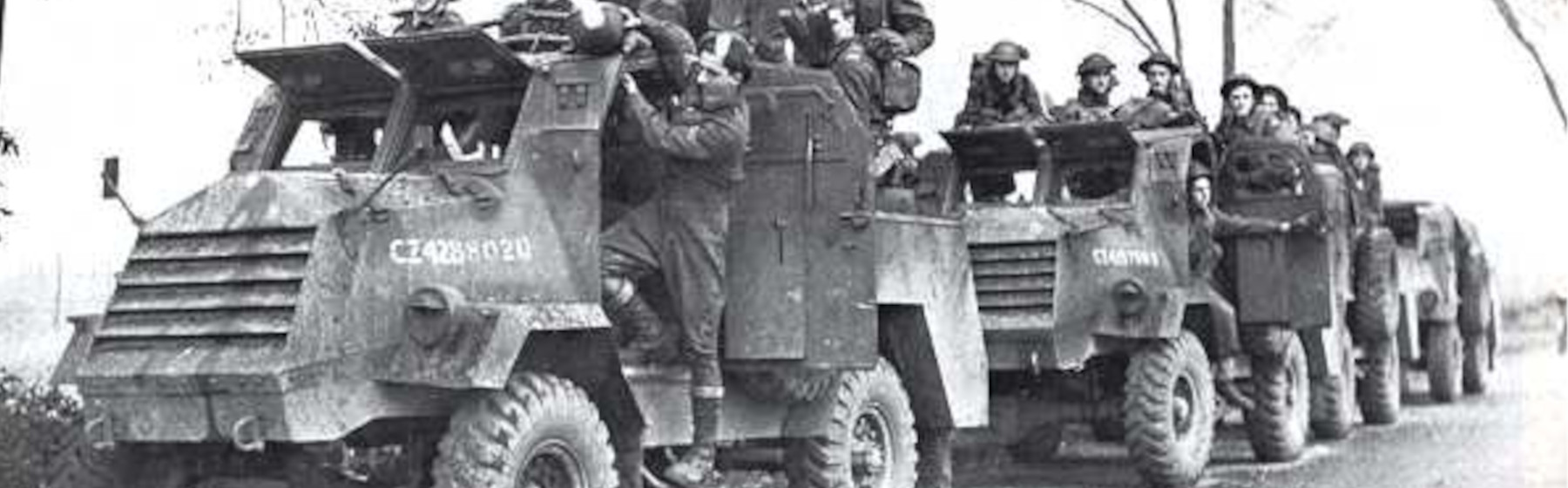
He was deployed overseas during World War II and became part of the Allied efforts in Europe. Though Solomon didn’t participate in the D-Day landings, he arrived in Europe shortly after and joined the fight in France. His time on the front lines was grueling, often characterized by long marches, sleepless nights, and constant vigilance. Soldiers like Solomon had to endure both physical exhaustion and the emotional toll of combat. He served for 10 months in active duty, during which he witnessed the devastation of war and the resilience of his comrades.
Life After the War
Solomon returned to Cumberland House in 1946, eager to rebuild his life. He married Angeline Carrier that same year, and together they raised seven children—five daughters and two sons. Back in his hometown, Solomon resumed the life he had left behind, engaging in fishing, trapping, and later working on construction projects such as the dam at Squaw Rapids. His family and community remained central to his life.
Solomon’s farming efforts were emblematic of his determination to provide for his family and contribute to his community. However, systemic challenges, including high taxes and limited resources, made it difficult for Solomon and other Métis farmers to sustain their livelihoods. Despite these struggles, Solomon persevered, demonstrating his unwavering commitment to his family and heritage.
Contributions to the Métis Community
Throughout his life, Solomon was deeply involved in preserving and promoting Métis traditions and knowledge. He advocated for education opportunities for younger generations, understanding that education was the key to breaking cycles of hardship. Solomon also participated in dog sled racing, a cultural and practical tradition in northern communities. He took pride in his second-place finish in a race held in The Pas, Manitoba, a testament to his resourcefulness and connection to his roots.
Solomon’s hunting and trapping skills, passed down from his father, became part of his legacy. He not only used these skills to sustain his family but also shared them with others in the community. His generosity was evident in the way he distributed moose meat and other resources among neighbors and friends, a reflection of traditional Métis values of sharing and mutual support.
Legacy and Reflection
Solomon Goulet’s life encapsulates the challenges and triumphs of a Métis man who served his country and remained steadfast in his commitment to his people and their way of life. His service during World War II is a reminder of the contributions made by Métis and Indigenous veterans who fought for freedom despite facing discrimination and systemic inequities upon their return.
In his later years, Solomon reflected on the changes in Cumberland House and the challenges of preserving Métis traditions in a rapidly modernizing world. His stories, often shared with his children and grandchildren, remain an invaluable part of Métis history and cultural memory.
Conclusion
Solomon Goulet’s life is a tribute to the resilience and strength of the Métis Nation. From his service in World War II to his contributions to his community, Solomon exemplified the values of hard work, generosity, and perseverance. His legacy endures through the stories of his life and the impact he had on those around him. Solomon’s journey from Cumberland House to the battlefields of Europe and back is a powerful reminder of the sacrifices made by Métis veterans and their vital place in Canada’s history.