
Sam Sinclair Narrative
Samuel "Sam" Sinclair: Métis Veteran, Advocate, and Leader
Samuel John Sinclair, born on November 22, 1926, in Slave Lake, Alberta, was a proud Métis veteran whose contributions spanned the battlefield, the Métis political arena, and Indigenous advocacy. Sam's life was a testament to resilience, service, and the enduring fight for recognition and equality for Métis people.
Early Life in Slave Lake
Sam grew up in a large family in Slave Lake, Alberta, surrounded by the rugged beauty of the land. He was raised with the values of hard work, self-reliance, and a deep connection to Métis traditions. Hunting, fishing, and trapping were integral parts of his early life. Sam recalled letting the cows out to graze in the mornings, accompanied by his dog, while hunting partridge, rabbits, and foraging for berries. He fondly described the crystal-clear waters of the lakes, where fishing with nets provided food for the family.
Though life was simple, the challenges were significant. Growing up Métis in Canada during the early 20th century often meant facing systemic discrimination. Education opportunities were limited, but Sam managed to attend school up to Grade 9 in Slave Lake before his life took a dramatic turn.
Enlistment and Military Service
In 1942, at the age of just 15, Sam Sinclair joined the Canadian Armed Forces after lying about his age. Determined to serve his country during the Second World War, he began his training in Alberta, moving between Red Deer, Wainwright, and Prince Rupert. Sam's tenacity and strong will were evident even then—despite attempts to remove him for being underage, he found ways to stay in the service.
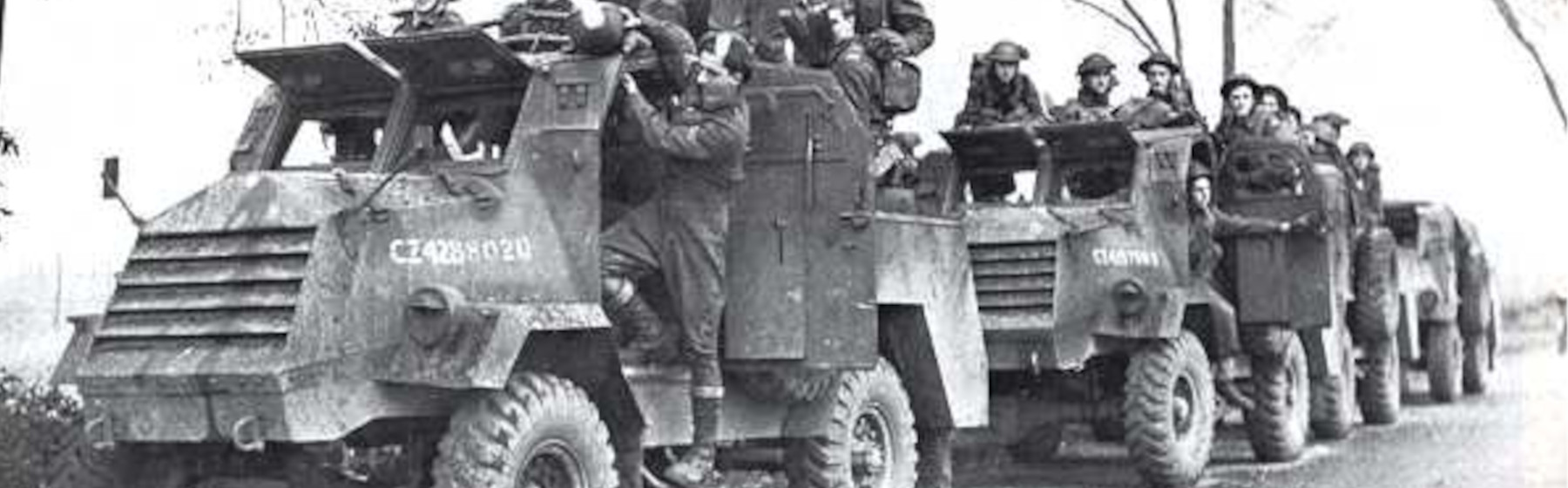
Once fully enlisted, Sam became a rifleman in the 5th Brigade, 2nd Division of the Calgary Highlanders, an infantry regiment. He was deployed to Europe shortly after D-Day to help reinforce Canadian forces that had suffered heavy casualties during the Normandy invasion. Sam's combat service began near Caen, France, where he and his comrades encountered fierce German resistance, including heavily fortified concrete bunkers known as pillboxes. Sam vividly described the brutal nature of war, recounting battles where flamethrowers, hand grenades, and sheer grit were required to overcome entrenched enemy positions.
From France, Sam's journey continued through Belgium and Holland, where Canadian forces played a critical role in liberating Dutch towns from German occupation. His experiences in the trenches, alongside the hardships of combat, left an indelible mark on him. Despite only spending 27 days on the front lines, Sam’s contributions during those decisive moments in Europe exemplified the courage and commitment of Métis soldiers.
Boxing Champion During Wartime
While serving overseas, Sam discovered a talent for boxing and competed in inter-Allied tournaments. In the Netherlands, he earned the Middleweight Championship title, a remarkable achievement that brought pride not only to himself but also to the Métis community. His boxing skills continued after the war, earning him recognition alongside his son in Canada’s Boxing Hall of Fame.
Post-War Life and Métis Advocacy
Returning to Canada after the war, Sam faced a familiar reality—Métis veterans, despite their sacrifices, were denied the same rights, benefits, and recognition afforded to other Canadian veterans. This systemic inequity fueled Sam's passion for advocacy. He believed that Métis veterans deserved equal treatment, not special treatment, and fought tirelessly to correct these historical injustices.
In civilian life, Sam worked tirelessly for his community. He served as a forest officer for 11 years, then transitioned to roles in community development, dedicating over 25 years to the Alberta provincial government. Simultaneously, Sam immersed himself in Métis politics, helping to shape the landscape of Indigenous rights in Canada.
In 1979, Sam was elected President of the Métis Association of Alberta, a position he held for eight years. He played a pivotal role in securing Métis recognition within Section 35 of the Canadian Constitution, which enshrined Aboriginal rights for First Nations, Inuit, and Métis peoples. Sam's leadership extended to global Indigenous advocacy as well—he represented Canada at the World Council of Indigenous Peoples and worked alongside leaders from impoverished nations, sharing knowledge and strategies for self-determination.
Family and Legacy
Throughout his life, Sam remained deeply committed to his family and community. He and his wife raised a family whose achievements reflected Sam's values of hard work and education. Proud of his children and grandchildren, Sam celebrated their successes, including multiple university degrees earned with perseverance and determination.
In recognition of his lifetime of service, Sam was honored with the Order of the Métis Nation in March 2004. This prestigious award reflected both his wartime bravery and his decades-long contributions to Métis political, cultural, and social advancement.
Remembering Samuel Sinclair
Sam Sinclair passed away on November 29, 2005, just days after his 79th birthday. His legacy endures as a proud Métis veteran, a dedicated leader, and a champion for equality. Sam's words resonate to this day:
"We don’t want special treatment; we want equal treatment."
Sam's unwavering commitment to justice, paired with his humility and humor, made him a beloved figure among Métis communities and beyond. From the front lines of Europe to the halls of Canadian politics, Samuel Sinclair’s life serves as an enduring example of courage, resilience, and the fight for fairness.
His story stands as a beacon for future generations, reminding us of the sacrifices Métis veterans made and the ongoing journey toward recognition and reconciliation.